

What Causes
Pigmentation?
Pigmentation happens when excess melanin builds up in the skin. This can be triggered by:
Start Your Pigmentation Treatment“That's why pigmentation cannot be treated with one product alone.”


The 3-Phase
Treatment
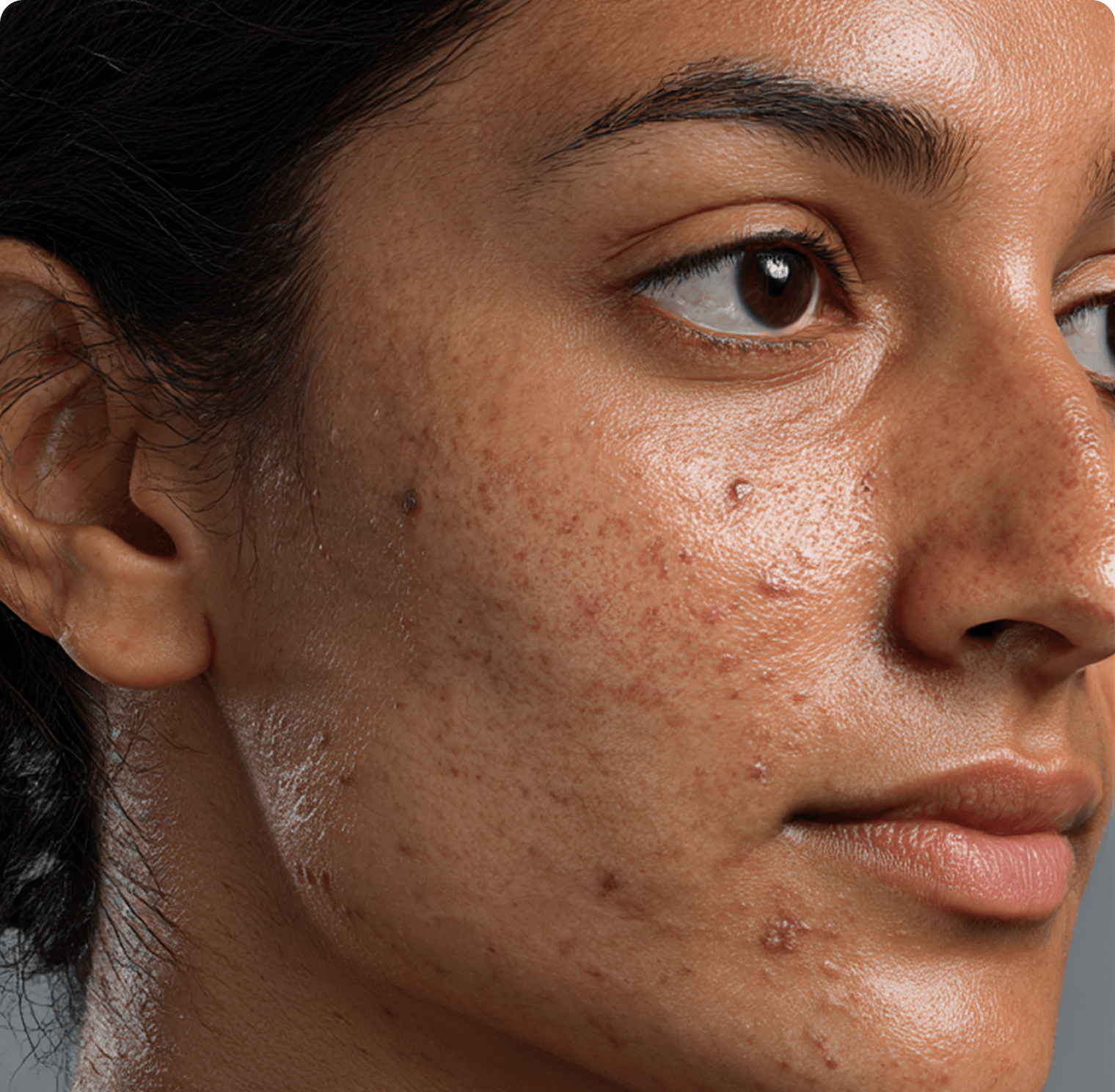
Stabilise
Calm the skin. Set the foundation.
We start treatment under dermatologist supervision — introducing prescription care gradually along with a structured skincare routine.
This isn't cosmetic skincare. It's clinical treatment — done step by step, under a dermatologist.
Images are for illustrative purposes only. Individual results may vary.
Start Your Pigmentation Treatment


What's Included in
Your Treatment
- Dermatologist consultation (complimentary)
- Individualized 3-phase treatment plan
- Customized skincare routine
- Weekly Skin Coach support
- Dietary, lifestyle & sun-exposure guidance
Pigmentation FAQs
Answering What
Everyone's Thinking
Pigmentation is excess melanin production that causes dark patches, spots, or uneven skin tone. If marks don't fade on their own, it's likely pigmentation — not just tanning.
Sun exposure, acne marks, hormones, genetics, and skin barrier damage are common causes. It usually has multiple root causes, not just one.
Through dermatologist-guided prescription treatment, barrier-safe skincare, sun protection, and root-cause correction. Treatment is personalised and adjusted over time.
Pigmentation can be significantly reduced and controlled long-term. Completing the full 6-month plan and maintenance is key to preventing relapse.
You'll start noticing visible improvement by the 4th to 5th month, with best and more stable results by 6 months.
Yes. Treatments are dermatologist-reviewed, barrier-safe, and introduced gradually. Acne-prone skin is managed alongside pigmentation.