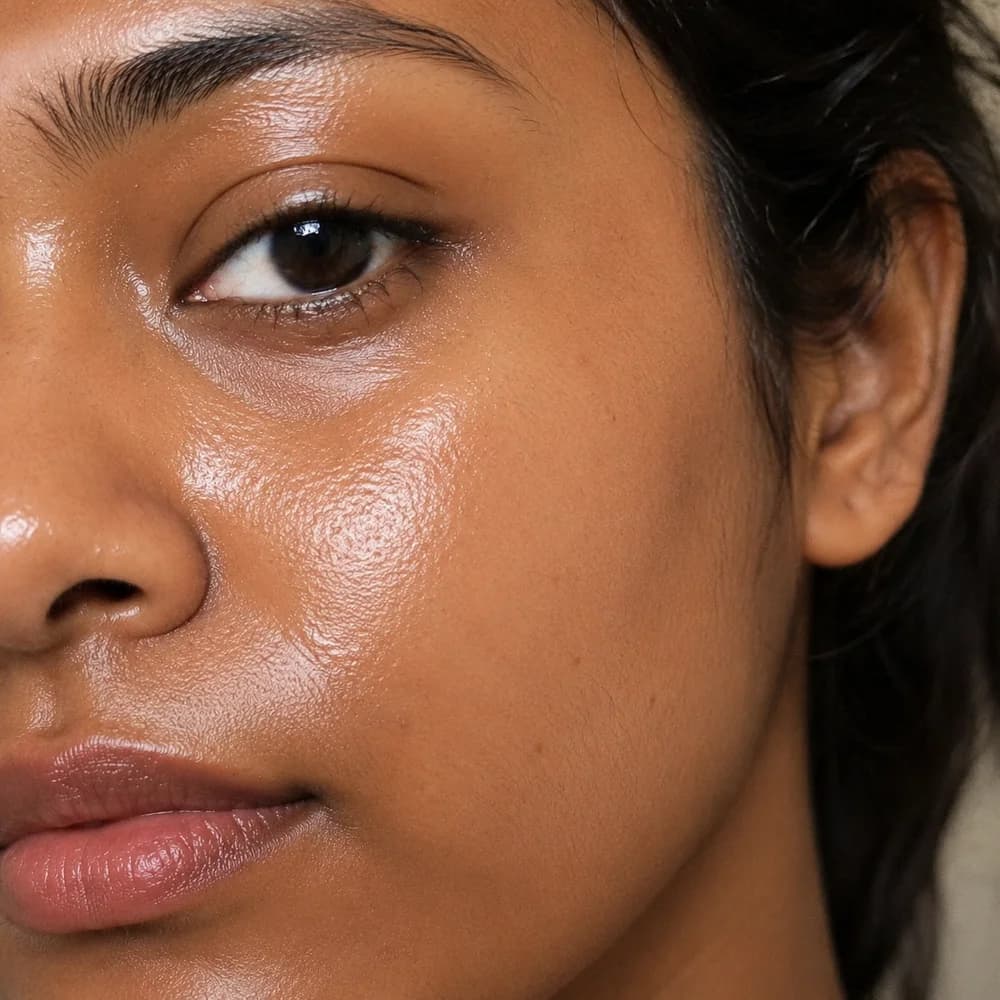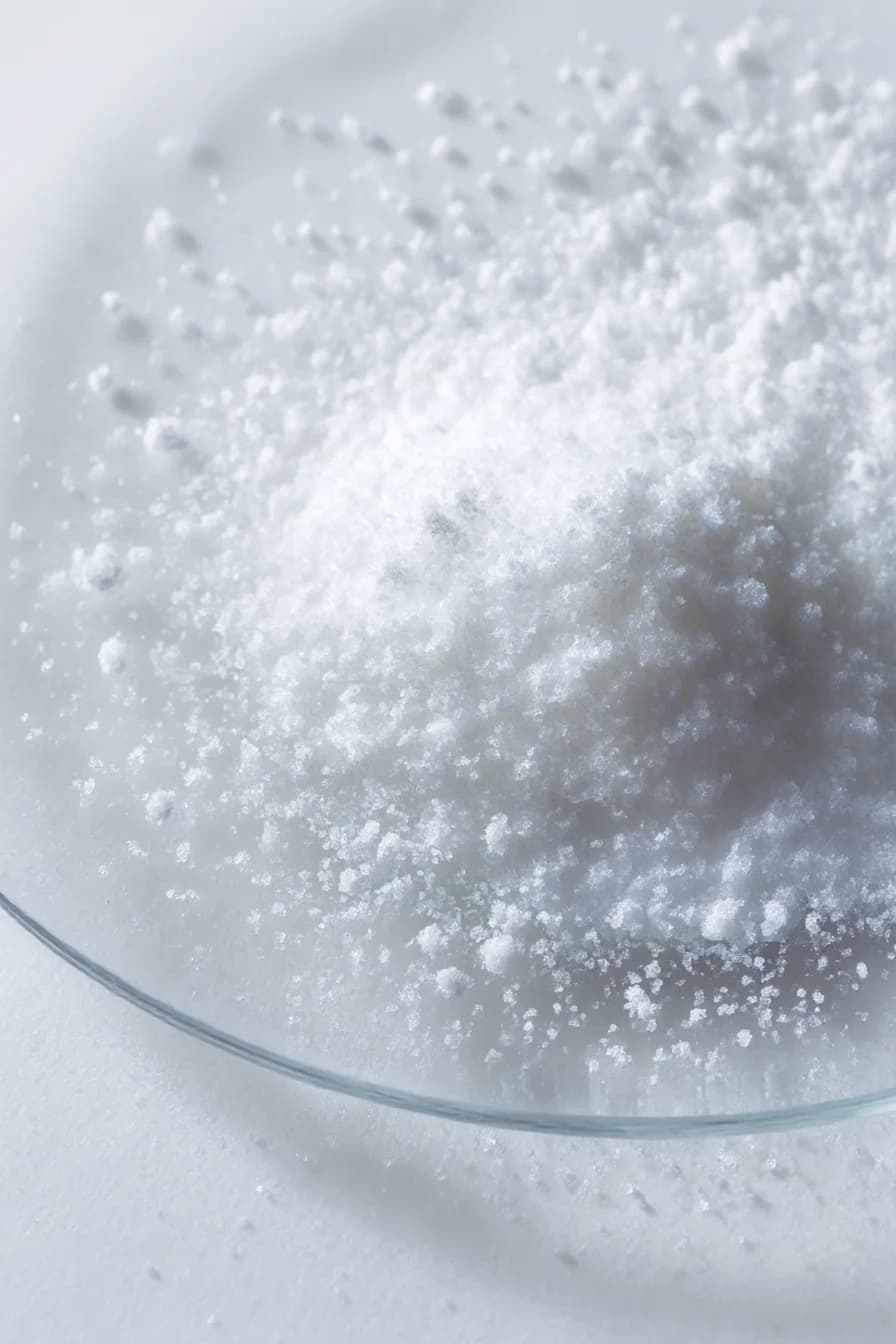
What is arbutin?
Arbutin is a skin-brightening ingredient that helps reduce the production of melanin, the pigment responsible for the colour of our skin.
It is naturally found in certain plants, including bearberry, and is also used in skincare products in purified forms.
Arbutin is mainly used for concerns such as:
- Dark spots
- Acne marks and post-inflammatory hyperpigmentation (PIH)
- Sun-induced pigmentation
- Melasma
- Other forms of hyperpigmentation
Unlike exfoliating acids, arbutin mainly works by targeting melanin production rather than removing the surface layer of the skin.
What is arbutin used for?
Arbutin is primarily used to help improve the appearance of hyperpigmentation.
It may be useful for:
1. Dark spots
Arbutin can help gradually reduce the appearance of excess pigmentation, making dark spots look less noticeable over time.
2. Acne marks
After acne heals, some people are left with brown or dark marks. These are often a form of post-inflammatory hyperpigmentation.
Arbutin can be used as part of a pigmentation-focused routine to help improve their appearance.
3. Melasma
Melasma causes patches of brown or greyish pigmentation, commonly on the cheeks and forehead
Arbutin may be used as one of the topical options for managing pigmentation, although melasma usually requires a more comprehensive approach.
4. Uneven skin tone
By helping regulate excess melanin production, arbutin may help the skin appear more even over time.
How does arbutin work?
To understand this, we first need to understand melanin.
Melanin is produced by specialised cells called melanocytes. An important enzyme involved in this process is tyrosinase. Arbutin can interfere with tyrosinase activity, which may reduce the formation of melanin.
In simple terms:
Arbutin → reduces tyrosinase activity → less melanin production → pigmentation gradually becomes less noticeable.
This is why arbutin is used in products designed for dark spots and hyperpigmentation.
However, it is important to remember that pigmentation can have different causes, and reducing melanin production is only one part of managing it.
What should you know before using arbutin?
Arbutin is generally considered a relatively gentle pigmentation ingredient, but that does not mean that every skin type will tolerate every formulation.
A few things are important to remember:
- Start with a suitable concentration and formulation.
- Avoid using too many irritating actives together.
- If your skin becomes red, itchy or irritated, reduce frequency or stop and seek professional advice.
- Most importantly, use sunscreen during the day.
Treating pigmentation without protecting the skin from UV exposure can make it much harder to maintain results.
Found in

How should I apply arbutin?
Arbutin is usually found in serums or creams.
A simple routine could look like:
Morning: Gentle cleanser → arbutin serum or cream → moisturiser → sunscreen
Night: Gentle cleanser → arbutin serum or cream → moisturiser
Apply the product according to the manufacturer's instructions.
If you are new to arbutin, you can start gradually rather than immediately using multiple pigmentation actives together.
How long does arbutin take to work?
Arbutin is not an overnight treatment. Pigmentation takes time to develop and it also takes time for the skin to gradually clear it.
You may start noticing improvement after several weeks of consistent use, but more noticeable results can take 8–12 weeks or longer, depending on the type and depth of pigmentation, your skin type and whether the trigger is still present.
For conditions such as melasma, pigmentation can also return if triggers such as UV or visible light exposure are not controlled.
Are there any side effects of arbutin?
Arbutin is generally well tolerated when used appropriately, but irritation can still occur.
Possible reactions include:
- Mild redness
- Dryness
- Itching
- Irritation
The risk can also depend on the overall formulation and the other active ingredients in the product. If you develop significant irritation, stop using the product and speak to a dermatologist or skin professional.
Can arbutin be used every day?
Yes, arbutin can generally be used regularly, provided your skin tolerates the product and you follow the recommended directions. However, using it more frequently does not necessarily mean faster results. Consistency is more important than using too many products or applying excessive amounts.
Is arbutin safe during pregnancy?
There is limited clinical safety information on topical arbutin during pregnancy.
Because pregnancy is a time when it is sensible to be cautious with active skincare ingredients, it is best to discuss the specific product and formulation with your dermatologist or healthcare professional before using it. Do not assume that an ingredient is automatically safe during pregnancy simply because it is available in a cosmetic product.
Is arbutin better than hydroquinone?
Arbutin and hydroquinone both target melanin production, but they are not the same ingredient.
Hydroquinone has been studied extensively for hyperpigmentation and can be more potent, but its use requires appropriate medical guidance because of its potential adverse effects and regulatory restrictions.
Arbutin is generally considered a milder cosmetic alternative. This does not mean that arbutin is universally better or that it will work for every type of pigmentation.
The appropriate ingredient depends on factors such as:
- Type of pigmentation
- Severity
- Skin sensitivity
- Previous treatments
- Other products being used
For persistent or severe pigmentation, particularly melasma, it is better to get the cause assessed rather than choosing an ingredient based only on its strength.
Does sunscreen matter when using arbutin?
Yes, sunscreen is one of the most important parts of any pigmentation routine. UV exposure can stimulate melanin production and contribute to the persistence or worsening of pigmentation.
If you are treating dark spots but regularly exposing your skin to the sun without adequate protection, you may be working against your treatment.
Use a broad-spectrum sunscreen every morning and reapply when appropriate, especially with prolonged outdoor exposure.
For melasma and some pigmentation conditions, protection from visible light may also be relevant, so your dermatologist may recommend a suitable tinted sunscreen.
Arbutin vs kojic acid: what is the difference?
Both arbutin and kojic acid are used in skincare products for hyperpigmentation and both can influence melanin production through effects on tyrosinase.
The main difference is how they work and how individual skin responds to them.
Arbutin is often chosen when a relatively gentle pigmentation-focused ingredient is preferred, while kojic acid is another option that directly inhibits tyrosinase. There is no single ingredient that works best for every person. The choice should depend on your pigmentation, skin sensitivity and the rest of your skincare routine.
Can arbutin help with acne?
Arbutin is not an acne treatment. It does not treat the main causes of acne, such as clogged pores, excess sebum and acne-related inflammation. However, if acne has left behind brown marks, arbutin may be considered as part of a routine aimed at managing post-inflammatory hyperpigmentation. The priority should still be to control the active acne, because new breakouts can continue to create new marks.
TAKEAWAY
Arbutin can be a useful ingredient for people looking to manage dark spots, acne marks, uneven skin tone and hyperpigmentation. It mainly works by affecting tyrosinase and reducing melanin production.
But pigmentation is not always a simple skincare problem. Melasma, post-acne pigmentation, sun-induced pigmentation and other pigmentary conditions can require different approaches.
And remember: a good pigmentation routine is not just about brightening active. Consistent sunscreen, controlling the underlying trigger and choosing the right treatment for your skin all matter.
References
- Arbutin: mechanism of its depigmenting action in human melanocyte culture - PubMed
- Arbutin as a Skin Depigmenting Agent with Antimelanogenic and Antioxidant Properties - PubMed
- A comprehensive review of the therapeutic potential of α-arbutin - PubMed
- Emerging topical therapies to treat pigmentary disorders: an evidence-based approach - PubMed